

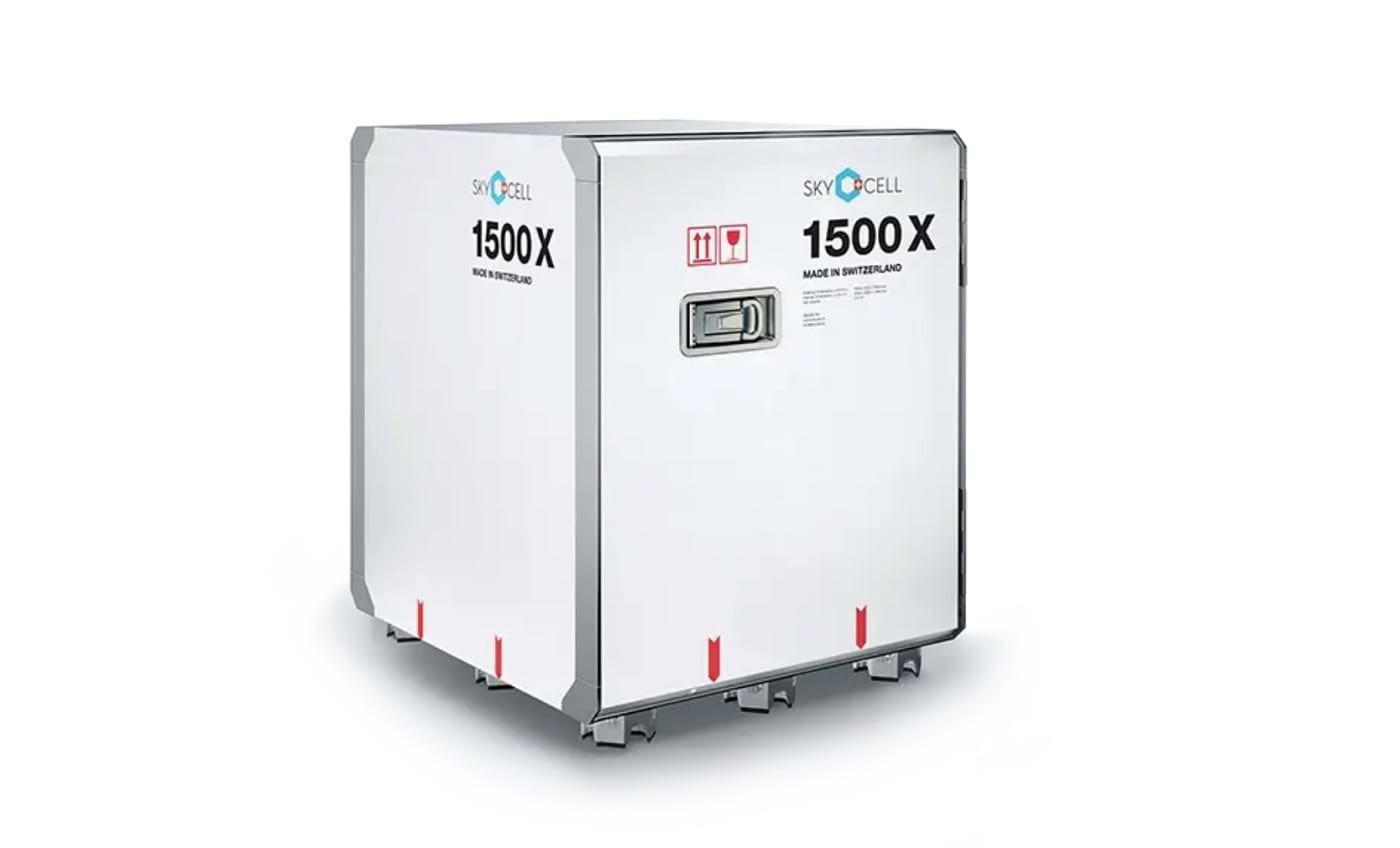
The Growing Importance of Temperature-Sensitive Shipping
In the globalized world of today, temperature-sensitive goods such as pharmaceuticals, food, and chemicals require specialized containers to ensure they remain safe and viable during transport. Temperature-controlled shipping plays a vital role in industries where maintaining a stable internal temperature is crucial for preserving the integrity of the products. Without proper equipment, sensitive goods may become compromised, leading to significant financial loss and even health risks. The need for innovation in this area has led to the development of advanced technologies and solutions, such as hybrid containers, designed to maintain optimal conditions throughout the transportation process.
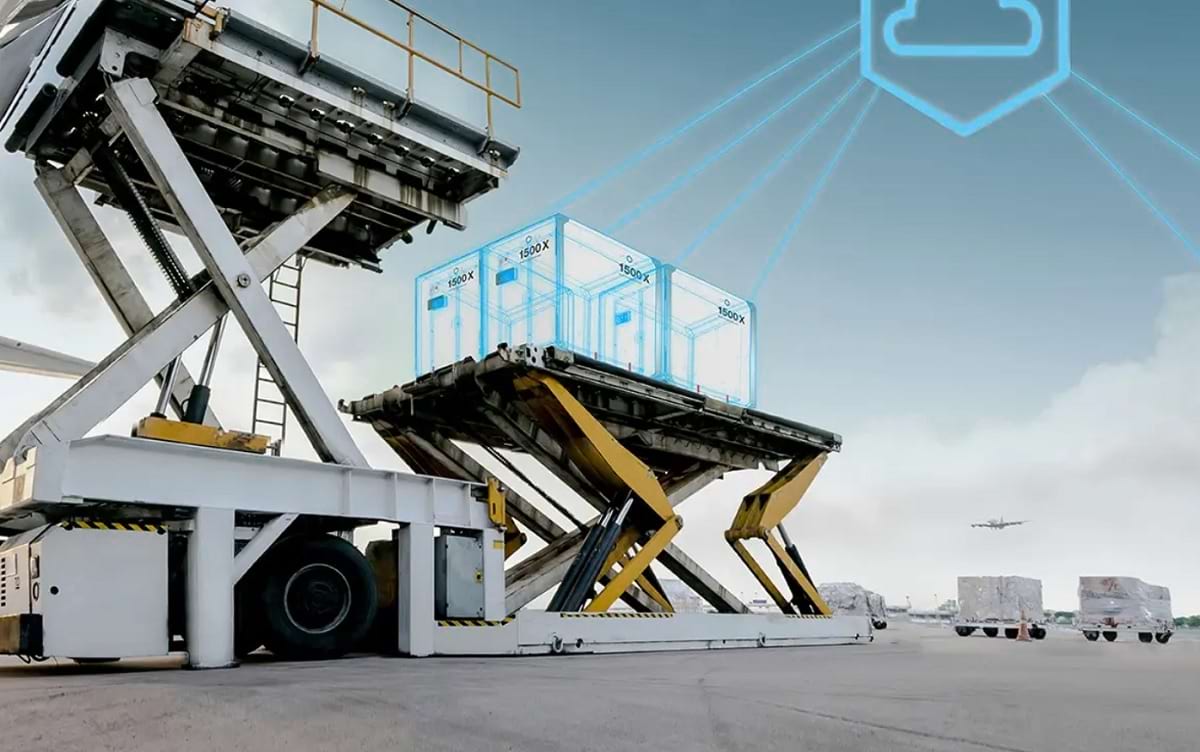
These containers are specifically designed for transporting goods at low or controlled temperatures, offering a reliable solution for industries dealing with perishable products. Unlike traditional refrigerated containers, which rely on external power sources to maintain the required temperature, modern hybrid containers are self-sustaining. This independence not only reduces dependency on warehouse facilities but also ensures that goods can be transported across vast distances without worrying about power failures or temperature fluctuations.
The Role of Hybrid Containers in Revolutionizing the Shipping Industry
Hybrid containers are rapidly becoming a game-changer in the temperature-controlled shipping sector. They offer an impressive independent runtime of up to 270 hours, allowing them to maintain internal temperature stability even when exposed to extreme external conditions, ranging from freezing temperatures of -30°C to scorching highs of up to 70°C. This unique ability is particularly valuable for industries where products need to be transported over long distances, potentially through areas with inconsistent access to power sources. With the ability to operate in cold chambers or reefer trucks, these containers eliminate the need for plug sockets, making them more versatile and reducing reliance on external infrastructure.

The innovative technology behind hybrid containers is revolutionizing the way companies approach logistics and transportation. They enable faster, more efficient shipping without the need for specialized power sources at every point in the supply chain. This adaptability not only reduces operational costs but also makes global trade more sustainable. By offering an autonomous solution for maintaining product integrity during transportation, hybrid containers are becoming an essential tool in the logistics industry, paving the way for more reliable, cost-effective, and environmentally friendly shipping solutions.